



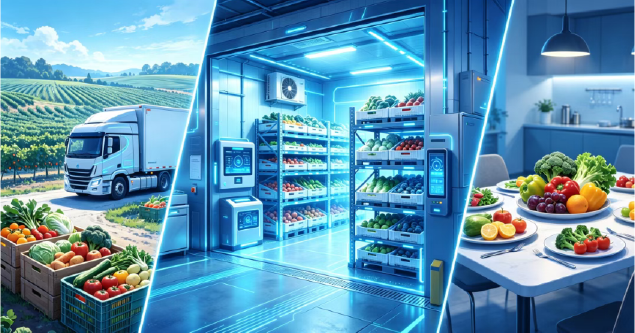
Have you noticed that shopping has become increasingly convenient in the past two years? You can buy imported cherries at downstairs fruit stores without waiting for air freight; vegetables ordered at night can be delivered to your door the next early morning. Farmers in rural areas no longer need to sell products at rural fairs. They only need to store strawberries in cold storage to lock freshness in off-peak seasons and sell them at better prices.
Behind these daily conveniences lies a fast-operating lifeline of cold chain logistics.
Staistics show that China's total cold chain logistics demand rose by 4.50% year-on-year in 2025. The whole industry is developing rapidly, covering fresh food e-commerce, prepared dishes, chain catering and community group buying. However, with booming business speed and market demand, food loss and safety risks during transportation have become increasingly prominent.
Three Major Pain Points Plaguing Food Cold Chain Warehousing
Food products have short shelf lives and are prone to deterioration, so logistics prioritizes speed. Every link from pre-cooling at origins, warehousing and transportation to shelf display and sales must be seamlessly connected.
More complicatedly, different food categories require distinct temperature standards, including deep freezing, freezing, refrigeration and constant temperature. Precise temperature control and quick response to market demands are core lifelines of cold chain operations.
Against this backdrop, warehousing faces prominent challenges:
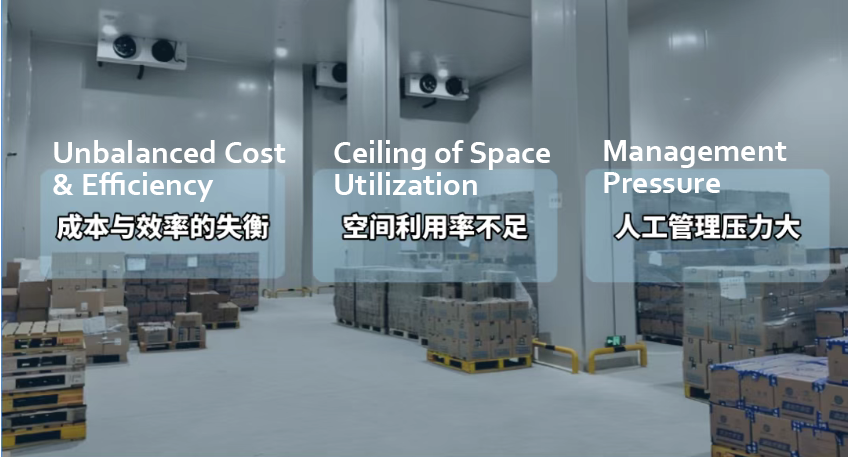
1. **Unbalanced Cost & Efficiency**: Energy consumption and labor are two rigid operating costs for cold storage. Low-temperature environments reduce manual work efficiency and create long-term recruitment difficulties for the industry.
2. **Ceiling of Space Utilization**: Traditional cold storage adopts ground stacking or high-position racks, with aisles occupying massive space and limited storage density. Cold storage construction and rental costs per square meter are high, so space waste directly translates to profit losses.
3. **Mounting Management Pressure**: Manual batch management, shelf-life tracking and temperature recording lead to extremely high traceability costs once quality defects occur, with hard-to-control food safety risks.
Solutions to Break Through Food Cold Chain Warehousing Bottlenecks
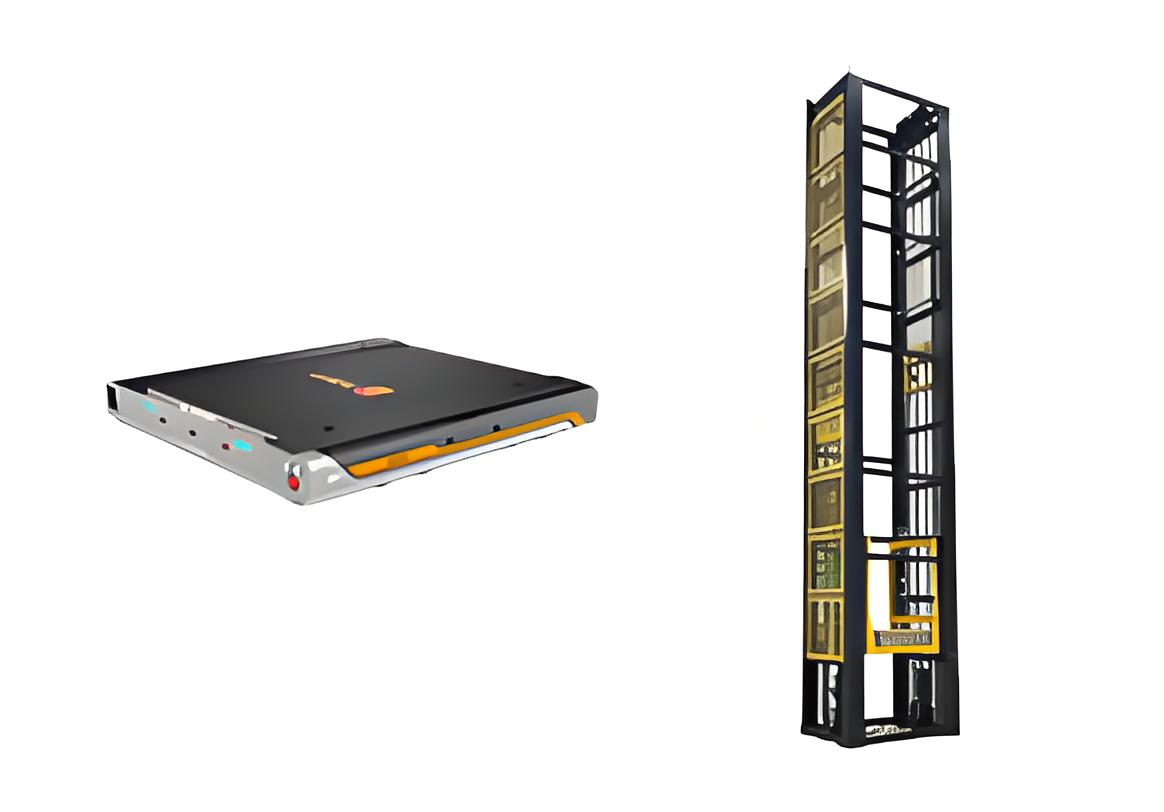
As a national high-tech enterprise specializing in dense storage tracks, Bullseye Intelligent developed low-temperature pallet four-way shuttles fully optimized for unique food cold chain scenarios from the initial R&D stage.
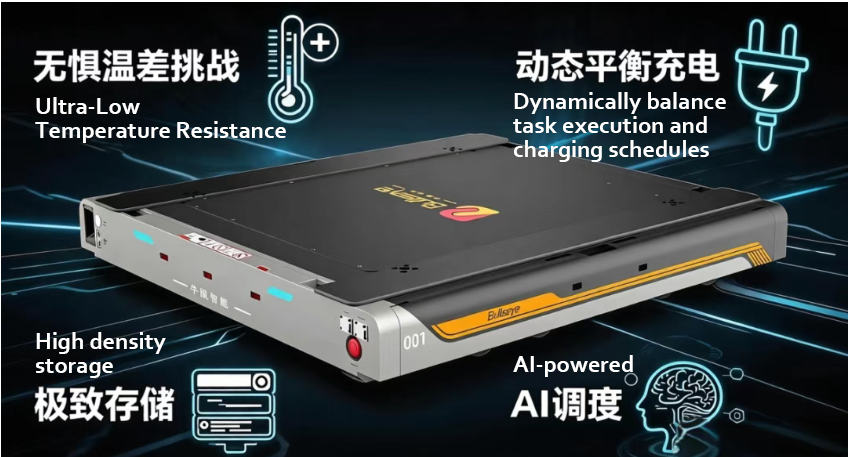
Feature 1: Ultra-Low Temperature Resistance, Stable Operation Under Temperature Differences
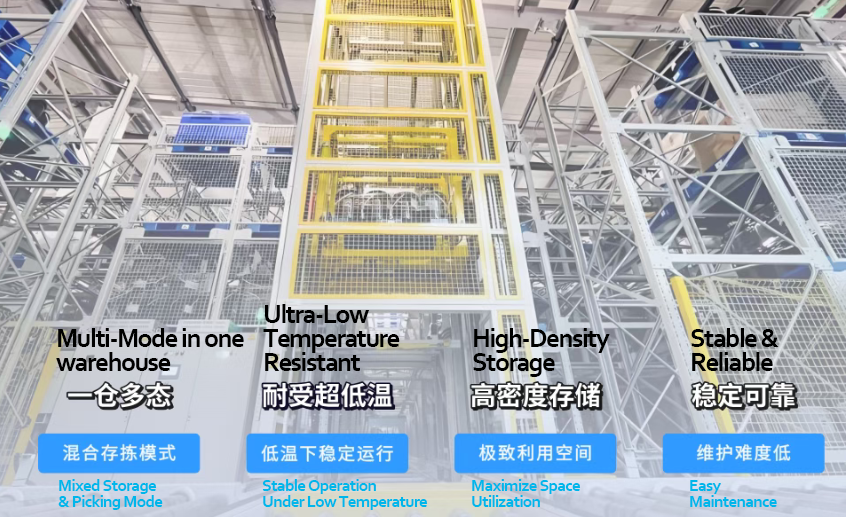
The whole shuttle adopts low-temperature resistant materials, including wide-temperature industrial-grade electronic components, cold-resistant cables and sealed connectors. Mainboards are treated with three-proof coatings to resist condensation, frost accumulation and material embrittlement. Key components support auxiliary heating to prevent water vapor buildup caused by temperature fluctuations during inbound and outbound operations, ensuring stable equipment performance.
Feature 2: Intelligent Battery Endurance with Dynamic Charging Balance
Batteries adopt shallow charge & shallow discharge plus thermal insulation strategies to avoid damage from charging under low temperatures. Core parameters including battery temperature and health status are integrated into the dispatching system in real time. Managers can monitor each shuttle’s power, temperature and working hours, and dynamically balance task execution and charging schedules.
Feature 3: Maximum Storage Capacity to Cut Operating Costs
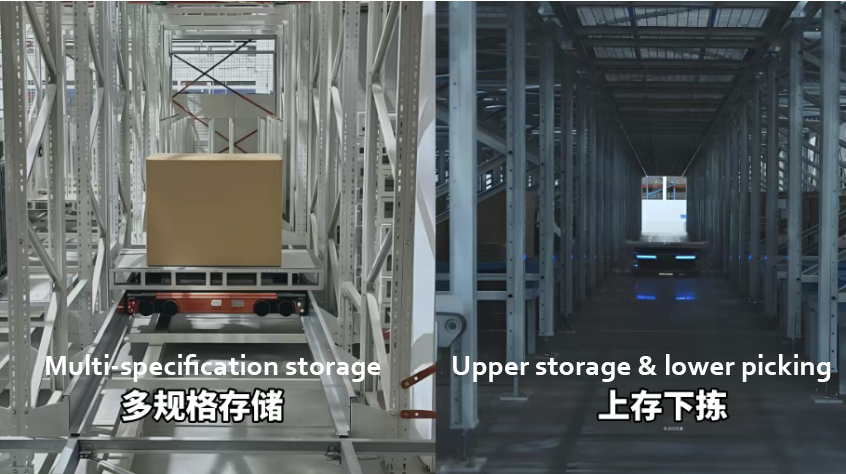
Benefiting from flexible four-way driving design, racks can extend to dozens of storage positions in depth. Space utilization rate is several times higher than traditional beam-type cold storage. Customers can gain extra storage capacity without expanding warehouses.
Feature 4: AI-Powered Dispatching for Diversified Storage Modes
Based on warehouse layout, inventory turnover rate, SKU quantity and investment budget, Bullseye Intelligent combines four-way shuttles with automated equipment to adapt to flexible operation modes such as upper storage & lower picking. AI algorithms optimize travel routes, realize dynamic obstacle avoidance and collaborative multi-shuttle operation, maximizing cold storage space and time efficiency.
Feature 5: Integrated System to Enable Traceable Food Safety
Matched with self-developed WMS (Warehouse Management System) and WCS (Warehouse Control System), the solution binds product batches, sends early warnings for expiring goods and enforces FIFO (First-In, First-Out) rules. Every inventory movement is automatically recorded to meet food safety supervision traceability requirements, eliminating missing inspections of near-expiry food.
Industry Trends Reflected by Delivered Project Data
Up to now, Bullseye Intelligent cold chain solutions have been delivered for nearly 100 projects, covering food processing, fresh food e-commerce, third-party logistics (3PL), central kitchens and prepared dish sectors with growing repeat orders, fully verifying equipment stability.
For a project in Malaysia, warehouse inventory capacity increased by 200% and inbound & outbound efficiency rose by 220%, supporting 24/7 non-stop automated operation.
Multiple domestic cold chain projects also prove the strong adaptability of four-way shuttles. One project in northern Shandong was rated the largest and most intelligent cold storage warehouse in the region by local media.
One-Stop Integrated Delivery Capability for Full Warehouse Implementation
Cold chain projects demand equipment that is not only functional but also user-friendly. Low-temperature environments require far higher stability and system robustness than normal-temperature warehouses. Only service providers with full-chain capabilities including planning & design, equipment manufacturing, system integration and full warehouse delivery can guarantee reliable project implementation.
Bullseye Intelligent has accumulated cold chain technology since 2019, completing the first batch of cold chain projects across multiple industries and regions with successful overseas delivery experience. In 2024, the company won the "Shanlin Logistics Outstanding Smart Technology Award" at the 17th International Food Cold Chain Summit Forum, receiving wide industry recognition for its in-depth layout in food cold chain sectors.
